A star like any other?

Think about it: the idea that the Sun is essentially the same thing as any star doesn’t make any sense. I mean, just look at them, they could hardly be more different! So how the heck do you go about proving such an outrageous idea? Well, it’s been quite a long journey,  that started from a number of guesses by ancient “scientists”. Granted, some of them turned out relatively correct, … Continue reading A star like any other?

How to discover an element

Want to name an element on the periodic table? Piece of cake! Just follow this simple, step-by-step guide. The first thing you have to do is to discover an element. At the moment, the periodic table has no blank spots to be filled: all elements with 118 or fewer protons have been found already. Though luck. Moreover, since very crowded nuclei don’t stick together for … Continue reading How to discover an element

Aristotle is always wrong, but that’s alright

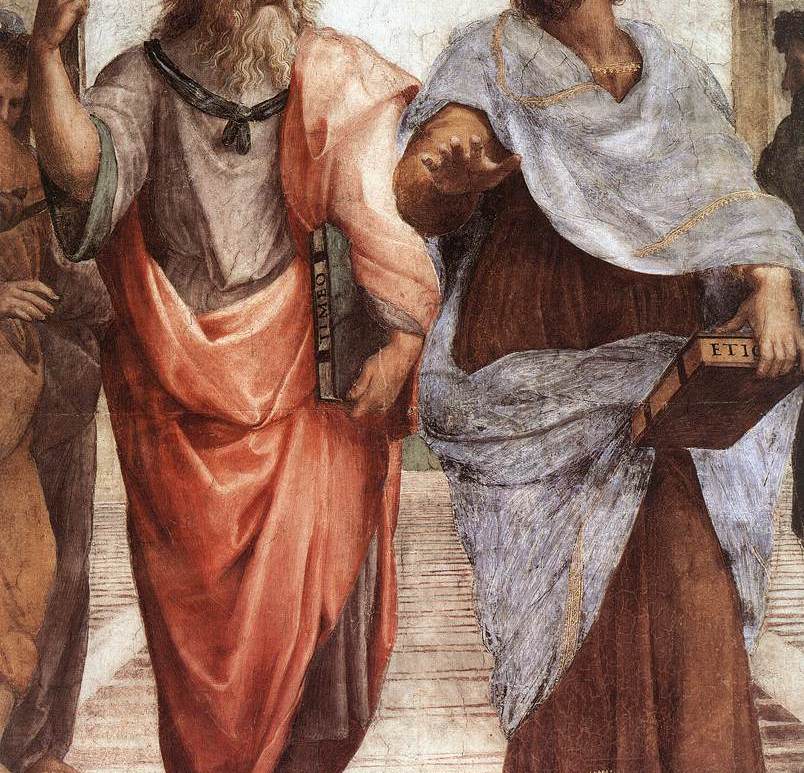
The Sun, the planets and the whole universe revolve around the Earth while hanging on crystal spheres. The velocity of a body is proportional to the force that pushed it. A rock falls to the ground because that’s its natural element. Those are only a few of the teachings of Aristotle that, forced on posterity for centuries, held back scientific progress. Whatever your branch of … Continue reading Aristotle is always wrong, but that’s alright

Mercurial sunset

Nothing’s more naturally predictable than the progression of a day, right? The Sun comes up in the East, rises through the sky, then sets in the West. That’s part of the fascination of places where it isn’t quite so. However, one of the places with the craziest days is rather unaccessible: Mercury. It’s the closest planet to the Sun, so it feels the star’s gravitational … Continue reading Mercurial sunset