Enceladus: a song of ice and tides

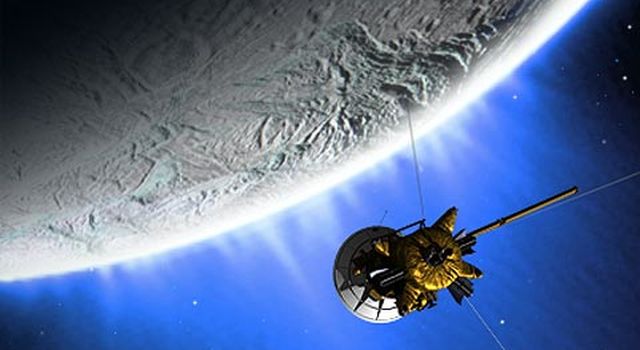
An artist impression of Cassini diving into Enceladus water plumes. credit: NASA/JPL

Cassini will terminate its 20-odd-years-long mission in September. But it’s determined to go out with a bang. In yesterday’s press conference, NASA announced that the probe, during a 2015 flyby of Saturn’s moon Enceladus, found clues that the ocean within the icy moon has almost all we think it needs to spark life. Continue reading “Enceladus: a song of ice and tides”

The sound of silence

Think about the most quiet place you’ve ever been to. Now imagine something even quieter. What does that sound like? If you can’t figure it out, physics can help: let’s start by looking at how sound works. Loudspeakers, vocal folds and instruments all function by the same principle: rhythmically push and pull on air. The air molecules, in turn, push and pull on their neighbors, … Continue reading The sound of silence

A star like any other?

Think about it: the idea that the Sun is essentially the same thing as any star doesn’t make any sense. I mean, just look at them, they could hardly be more different! So how the heck do you go about proving such an outrageous idea? Well, it’s been quite a long journey,  that started from a number of guesses by ancient “scientists”. Granted, some of them turned out relatively correct, … Continue reading A star like any other?

Every snowflake is unique

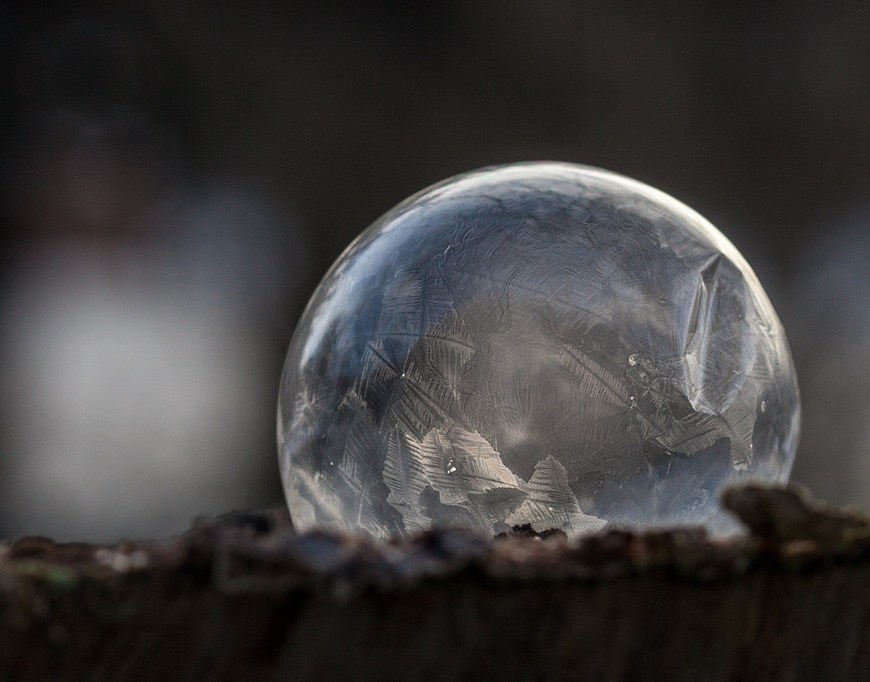
No Christmas landscape is complete without snow. Lots of snow. And every little snowflake is unique, everyone knows that! How come, tho? Snow is nothing else than teeny tiny ice crystals that form in the clouds and stay solid all the way down to the ground. Water crystallizes around microscopic imperfections, like dust particles floating in the clouds. Once the initial nucleus is formed, the … Continue reading Every snowflake is unique