
What the heck is energy?
Electricity, fuels, heating: energy is all around us. Physicists talk about it all the time to decode the mechanisms behind basically every process. Yet a good definition of energy is hard to come by: what is this “energy”?

Electricity, fuels, heating: energy is all around us. Physicists talk about it all the time to decode the mechanisms behind basically every process. Yet a good definition of energy is hard to come by: what is this “energy”?

Something like Harry Potter’s invisibility cloak might actually be the best way to become invisible in real life. Unfortunately, it surely won’t be here for your next Christmas gifts, although scientists are trying (with some success) to understand how to make one.

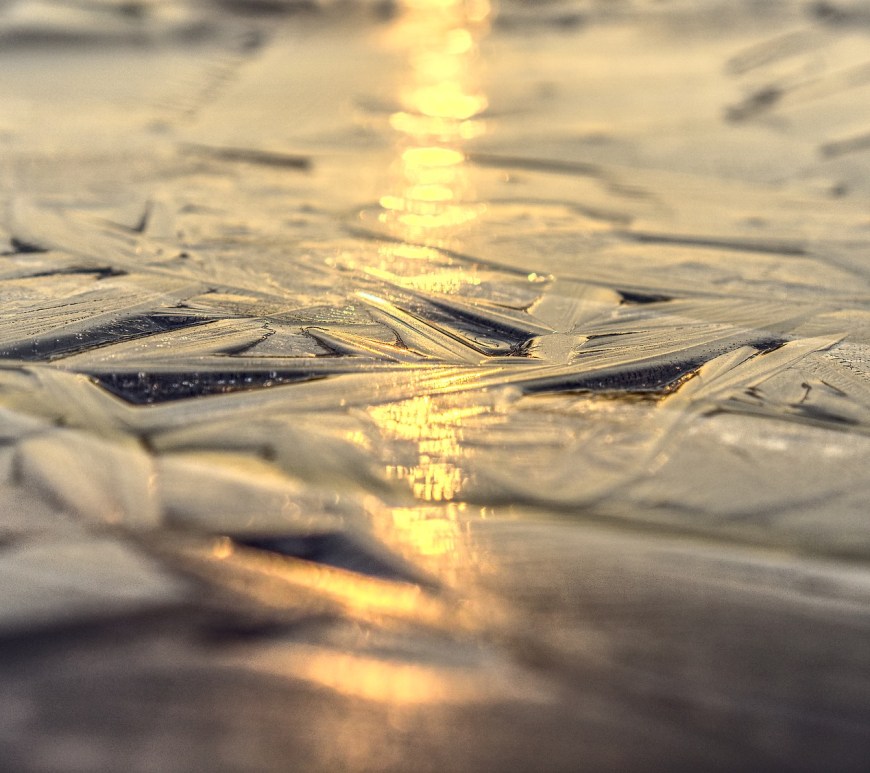
As we approach spring, the arctic gradually comes out of its long winter night. And as polar winters get milder and milder every year, people started noticing something unusual: the Sun sometimes rises on the wrong day—and in the wrong place.

Continue reading “Climate change might anticipate the arctic sunrise”

Seeing through opaque objects is notoriously hard. Unless you have Superman’s “X-Ray vision”, or those “X-Ray specs” that for decades have promised teen voyeurs the ability to see through clothes. What would be the physics of that? And is it at all possible to have X-Ray vision?


Thousands of previously unknown Maya structures reveal interconnected cities, defensive walls, landscape architecture, plus space and organization indicating millions of people living there. And they were found thanks to physics.
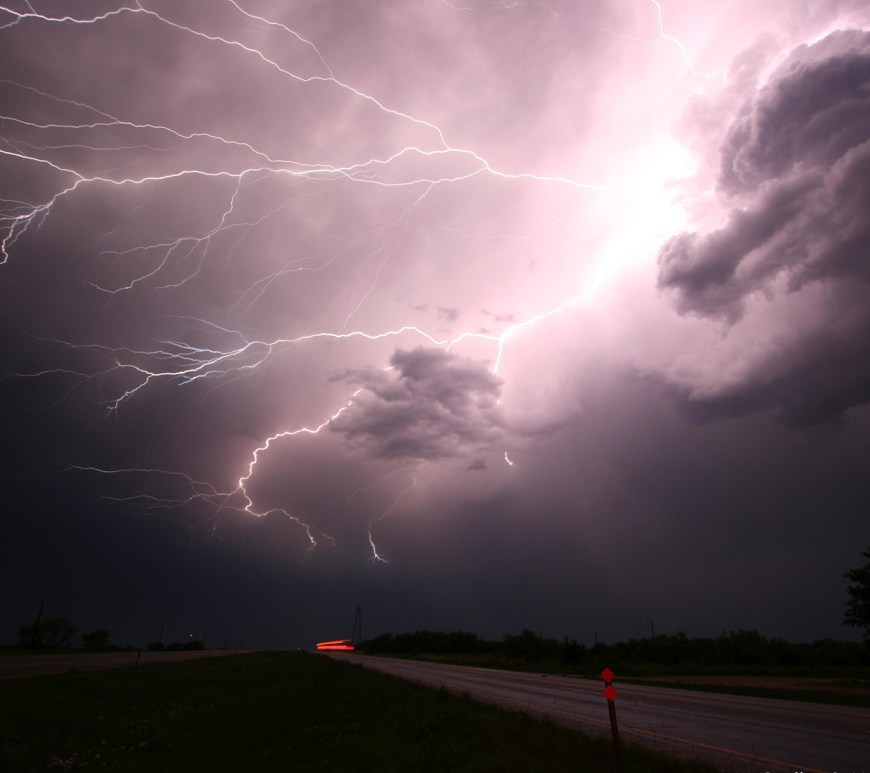
Since the first time gravitational waves were detected, people compared them to “hearing” the universe. Indeed, it’s a completely new way of observing the universe, one that does not need light. But it sure is an odd sort of “sound”.

Continue reading “Thunder before lightning: the new gravitational waves discovery”
Soap bubbles are mostly water and, how we can see every day, water reflects part of the light that hits it. So, when light arrive on a bubble, some of it bounces right off the surface, like it does off the surface of a lake. The rest enters the thin layer of soapy water that forms the bubble. Light travels peacefully through all of it, … Continue reading Why are soap bubbles colored?
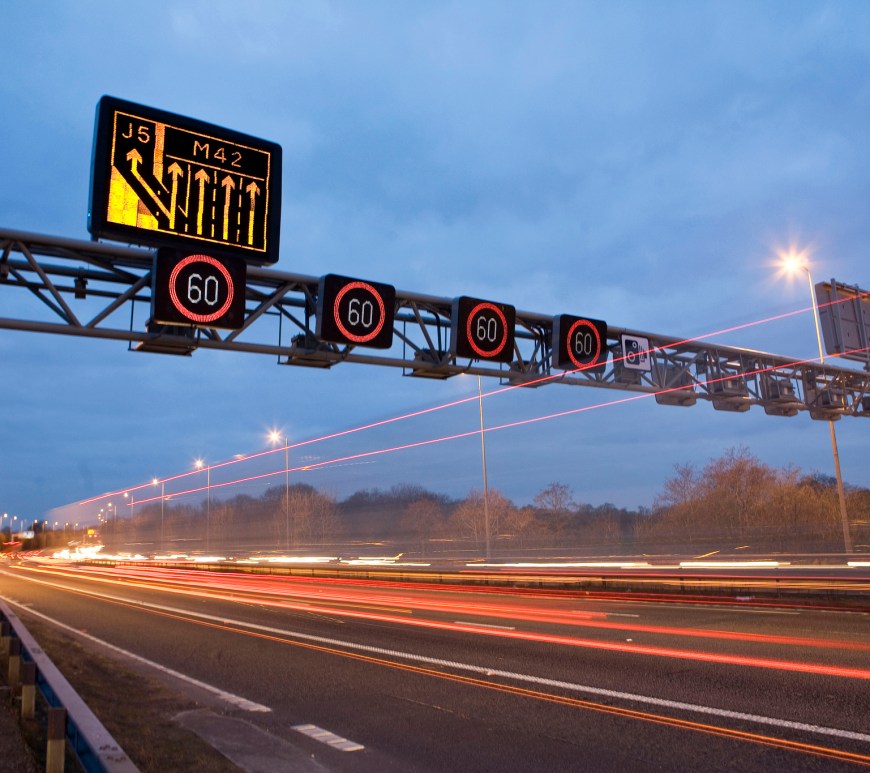
Light travels at about 299792458 meters per second. Why not more? or less? Why can’t it have more than one speed? To tell the truth, light does have more than one speed: the one we know, the one that nothing can surpass, is the speed of light in a vacuum. But if it goes through a material, light travels slower. More than that, light of … Continue reading Speed limits

 PhysicalLove