




The computer that can navigate the subway
Planning a series of actions is easy for us, but not for computers. A new neural network is bridging the gap—and could make you pie. Continue reading The computer that can navigate the subway

Physics and the rules of bird flocks
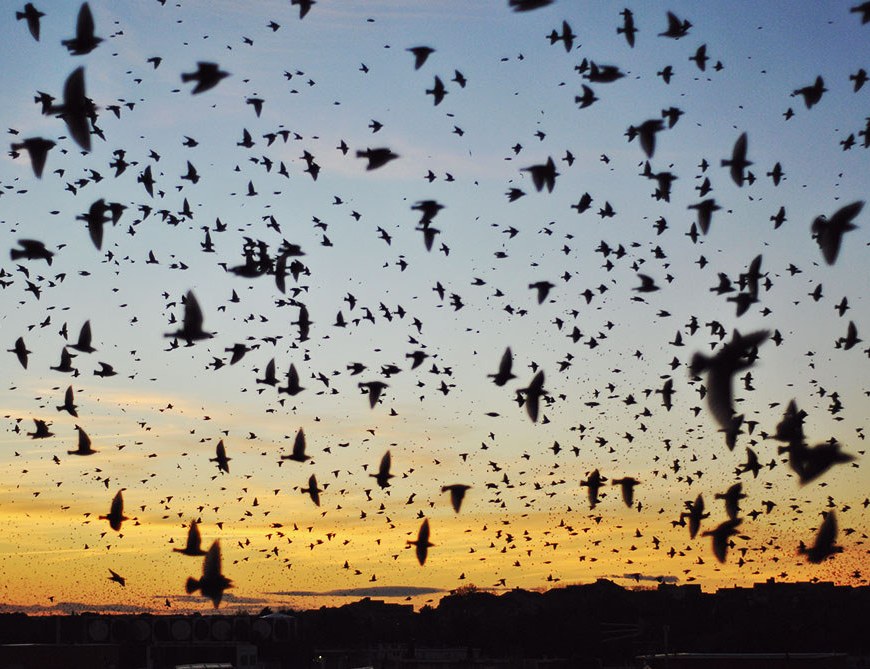
The season is turning: time for geese, swallows, and all others to relocate. With or without coconuts. You thought this would be biology’s turf, but physicists cannot resist a cool problem when they see one! Or two… The V-shape formation Many large migratory birds (geese, apparently cranes and pelicans) fly in a characteristic V-shape formation. That doesn’t look like the most intuitive way to just go around. But … Continue reading Physics and the rules of bird flocks
A star like any other?
Think about it: the idea that the Sun is essentially the same thing as any star doesn’t make any sense. I mean, just look at them, they could hardly be more different! So how the heck do you go about proving such an outrageous idea? Well, it’s been quite a long journey, that started from a number of guesses by ancient “scientists”. Granted, some of them turned out relatively correct, … Continue reading A star like any other?
Theoretical donuts and quantum computers: the Nobel prize 2016
So it wasn’t gravitational waves after all: the Nobel prize for physics went to David Thouless, Duncan Haldane and Michael Kosterlitz. That’s the easy part. The motivation needs a little unpacking: For theoretical discoveries of topological phase transitions and topological phases of matter. We all know and love a few phases of matter: solid, liquid and gas (maybe plasma if you want to get kinky). … Continue reading Theoretical donuts and quantum computers: the Nobel prize 2016
What if gravitational waves don’t win the Nobel prize?
Most predictions for the winners of this years Nobel prize for physics point to the biggest piece of science news we’ve had: gravitational waves. I’ll go out on a limb and say that I’m not convinced they will. Don’t get me wrong: I’m a great fan of team LIGO’s work, too. The discovery of gravitational waves was incredible, but so was the Higgs boson. LIGO … Continue reading What if gravitational waves don’t win the Nobel prize?

What did Rosetta do for us?
Rosetta left us today. Let’s take a look back at some of its adventures and discoveries. Continue reading What did Rosetta do for us?
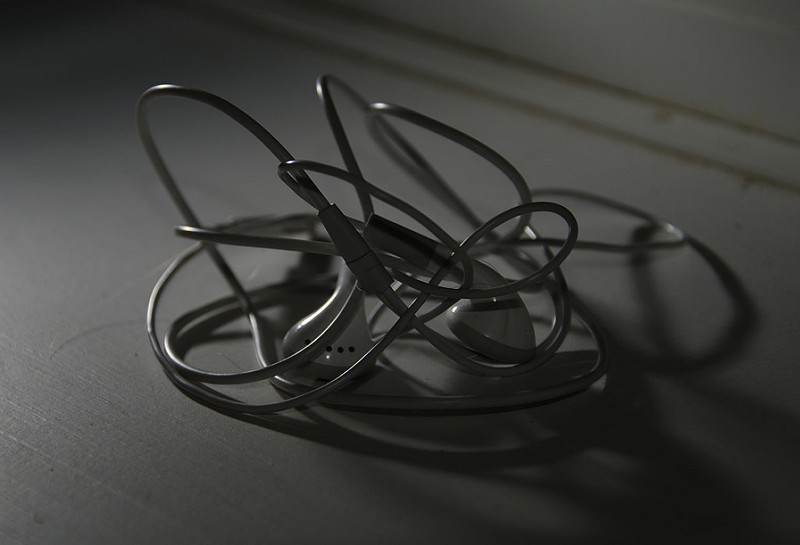
Earbuds must tangle!
We’ve all been through it: we want to listen to some music, take our earbuds out of our bag only to find—THE HORROR!—an impossibly tangled mess. Can’t anyone assuage this terrible scourge? According to physics… nope, not really. As it turns out, earbuds tangle up because of a simple but deep reason. Namely, there are precious few ways for a chord to register as “tidy”, … Continue reading Earbuds must tangle!
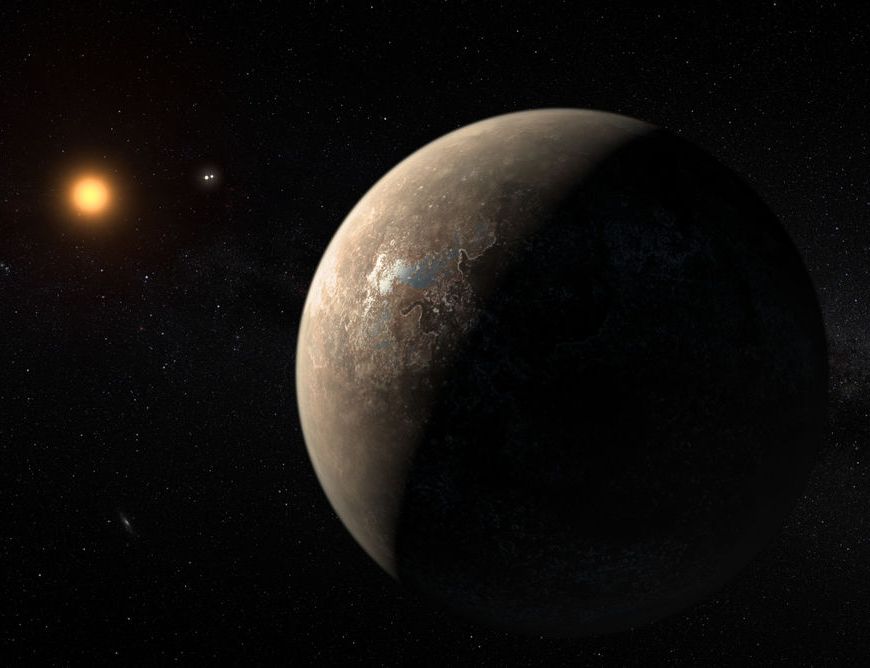
Two cool things about Proxima b
The European Southern Observatory found a new, exciting exoplanets while we were on a break. Called Proxima b, the planet tightly orbits Proxima Centauri, the closest star to us: “just” 4.3 light years away. It was just 25 years ago that we found planets outside our solar system at all. And look at us now, finding one in basically our cosmic backyard! If you haven’t … Continue reading Two cool things about Proxima b
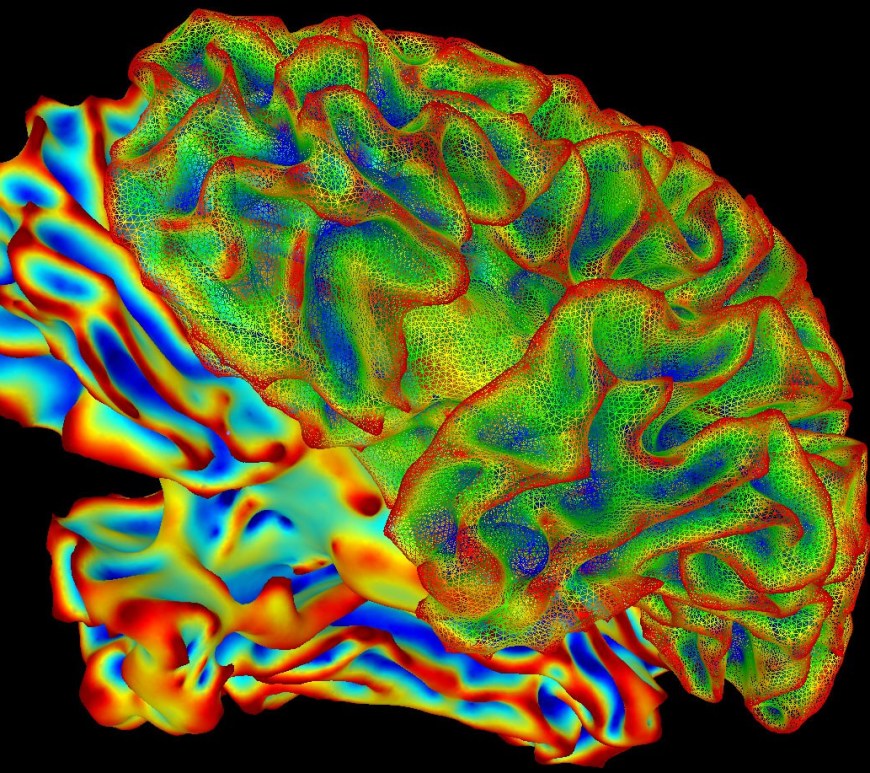
What the eff is an fMRI?
Some parts of the brain “light up” when we feel certain feelings, or listen to music, or tackle math problems. Certainly you’ve stumbled upon such news, given how frequently they end up in mainstream media. The technique used for these studies (and many others in neurosciences) is called functional Magnetic Resonance Imaging (or fMRI), which is an amazing thing, but also seems to have a … Continue reading What the eff is an fMRI?
Come funziona un computer quantistico
Nonostante sia molto improbabile che ne avremo in casa, i computer quantistici cambieranno molte cose quando arriveranno. E arriveranno. Vale la pena sapere di cosa si parla. Continue reading Come funziona un computer quantistico
 PhysicalLove