


Why LIGO won
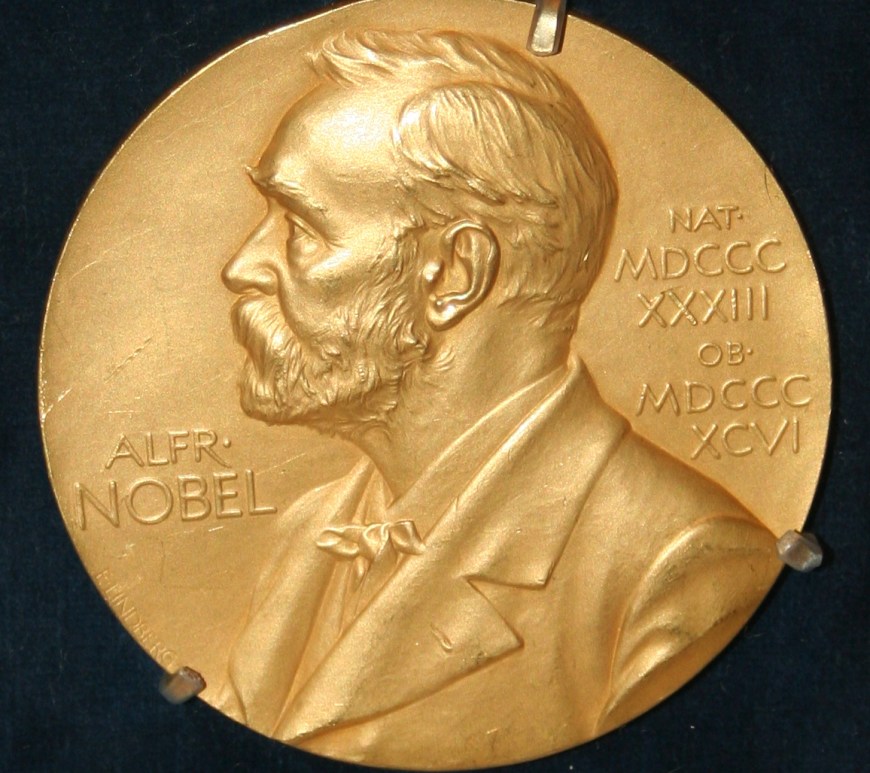
Awarding the Nobel prize for physics to something related to gravitational waves was a matter of when—not if. Still, one could have argued it was too early: gravitational waves were not a surprise discovery.

How growth freezes change (in bacteria)
When we think of evolution, we think natural selection, survival of the fittest. But that’s not all. Primal forces lurk work in the background. When selection disappears, they finally break free.

Cassini: the end of a legend
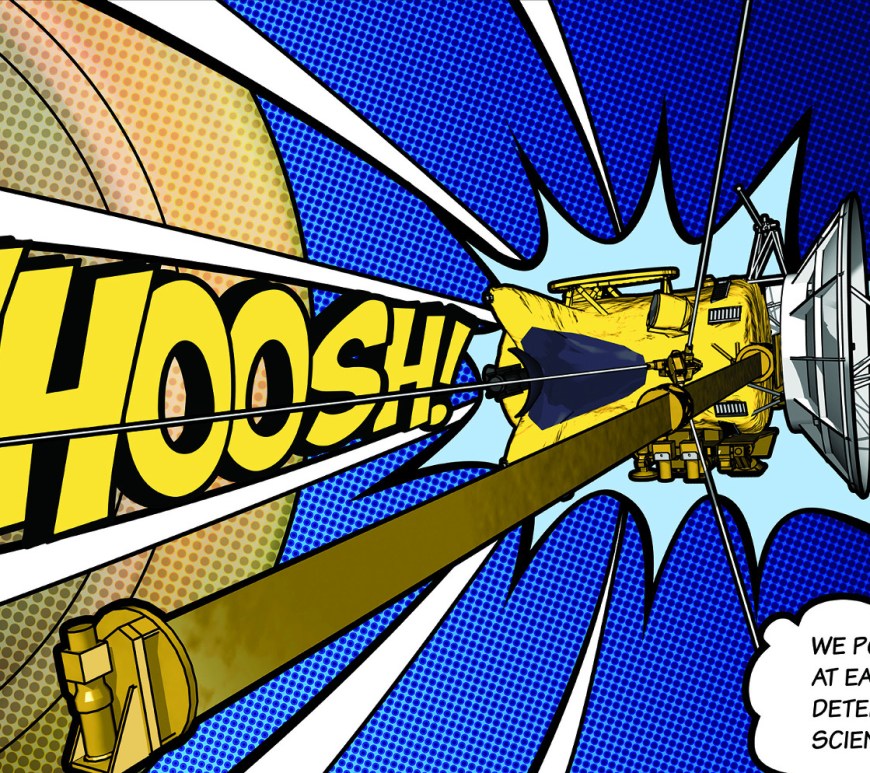
20 years after it launched, the NASA spacecraft Cassini ends its mission today. Its 13 years in orbit culminate in one last mission: to dive into the planet’s atmosphere, while still measuring and transmitting data.
Could LIGO be wrong?
Gravitational waves were the first big story on this blog. I like gravitational waves. So when when something about it makes appears on my radar, I listen.

Even if it means it could all be wrong.
Spaghetti never break in two
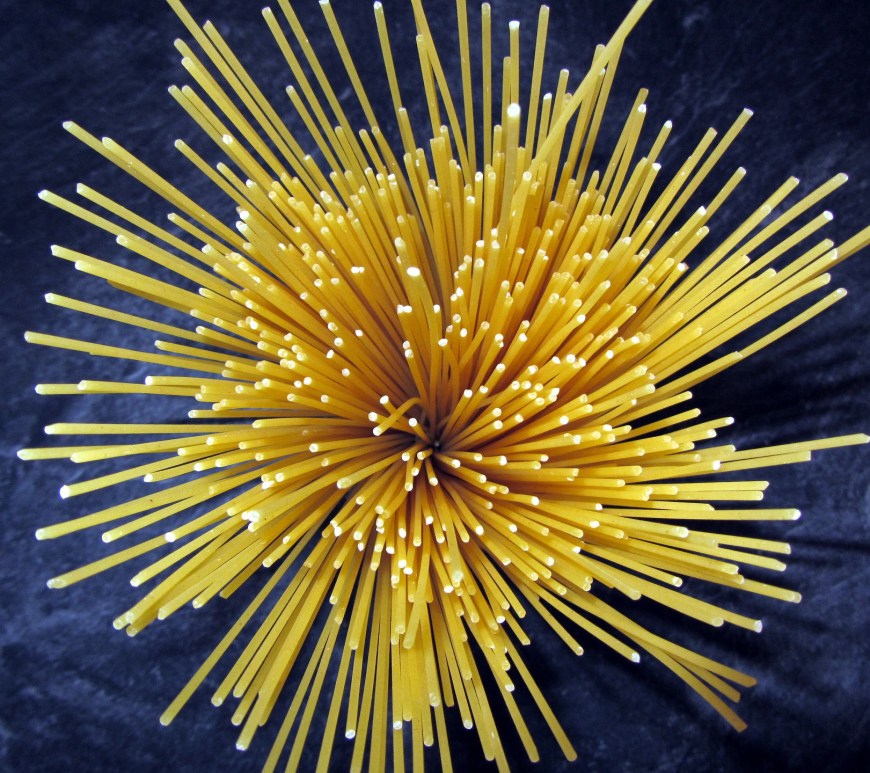
If you grab a piece of spaghetti and bend it further and further, it will eventually break. It won’t just break in two, though: most likely it will break in three or more pieces. What sorcery is this?
Don’t believe me? Be a scientist: try it yourself!
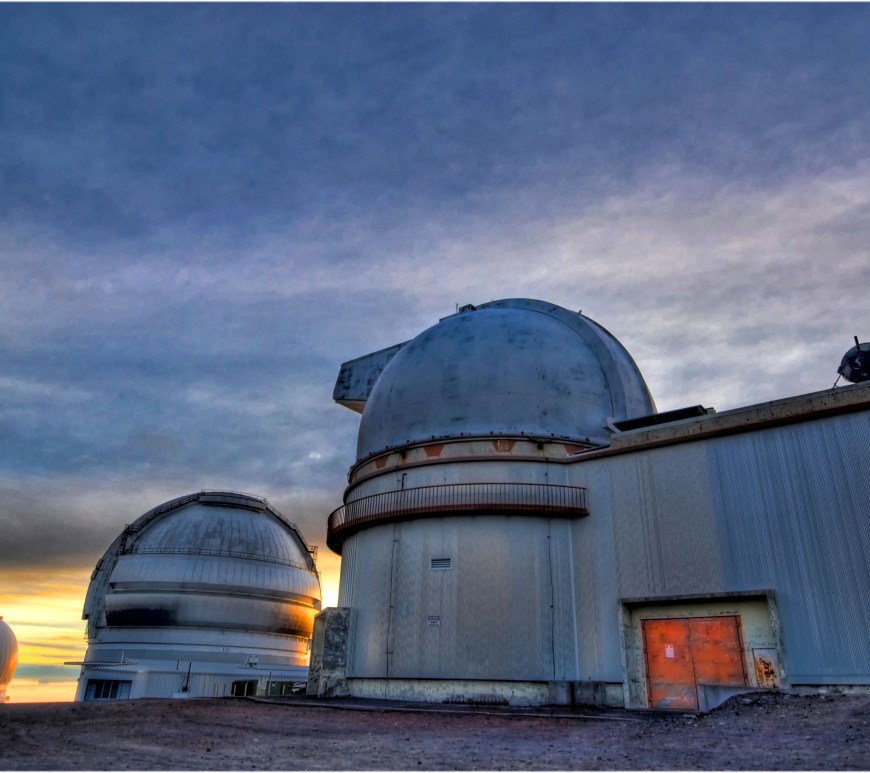
The heavens above Mauna Kea – Tales from Hawaii: Part 2
Mauna Kea is an enormous, exinct volcano on Hawaii’s Big Island, and one of the best places on Earth to do astronomy (if you ask them, the best one). In fact, the summit of the mountain hosts one of the world’s most renowned observatories. What makes it so special, other than that it looks like this?

Continue reading “The heavens above Mauna Kea – Tales from Hawaii: Part 2”

Pele’s hair – Tales from Hawaii: Part 1
Recently I’ve been on an amazing trip to Hawaii. I was planning to write about the observatories there. Then I saw this.

It’s solidified lava! So… yeah… gotta talk about that!
What is graphene?
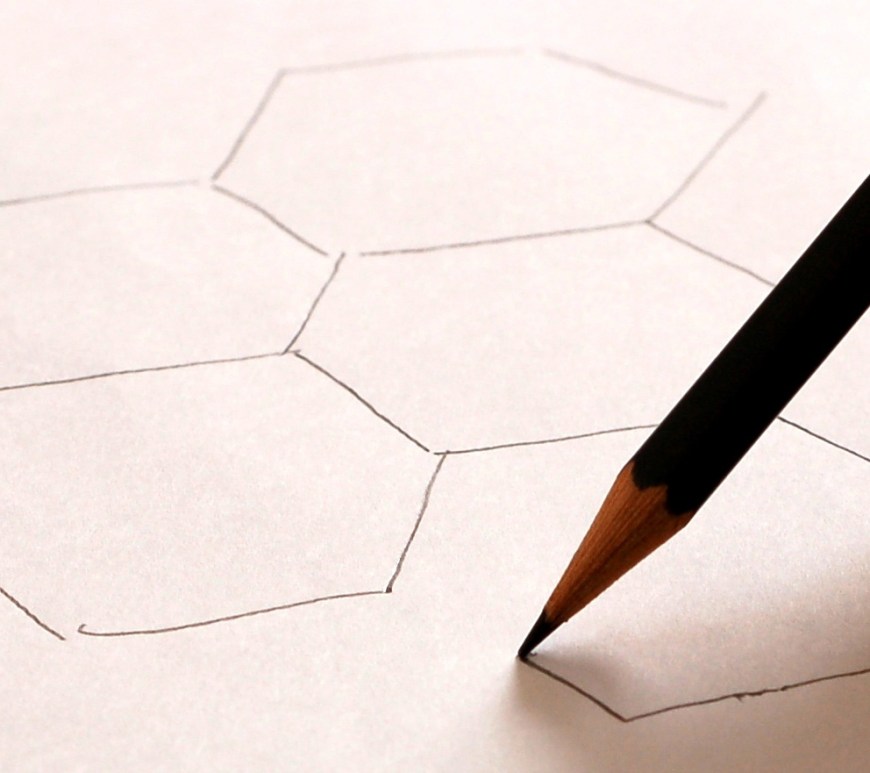
Want to win a Nobel prize while discovering a material that’s cheap, transparent, flexible but resistent, and an astonishing electric conductor? Grab a pencil and a roll of adhesive tape. I’m serious.


A singular post
You may have read around that a black hole “is a singularity”. But, if you are interested in artificial intelligence, you also heard about The Singularity, when robots will surpass us. So… robots in black holes? Actually, it all makes sense. Continue reading “A singular post”
Enceladus: a song of ice and tides
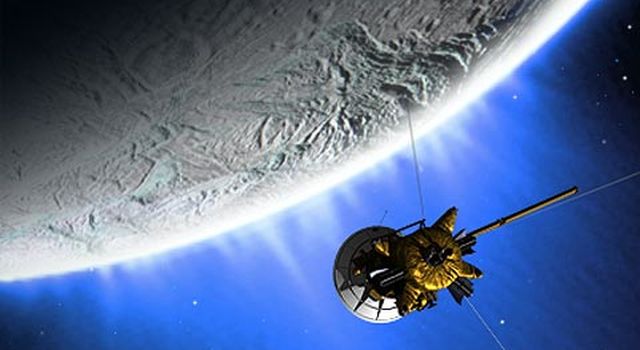
Cassini will terminate its 20-odd-years-long mission in September. But it’s determined to go out with a bang. In yesterday’s press conference, NASA announced that the probe, during a 2015 flyby of Saturn’s moon Enceladus, found clues that the ocean within the icy moon has almost all we think it needs to spark life. Continue reading “Enceladus: a song of ice and tides”
 PhysicalLove