A star like any other?

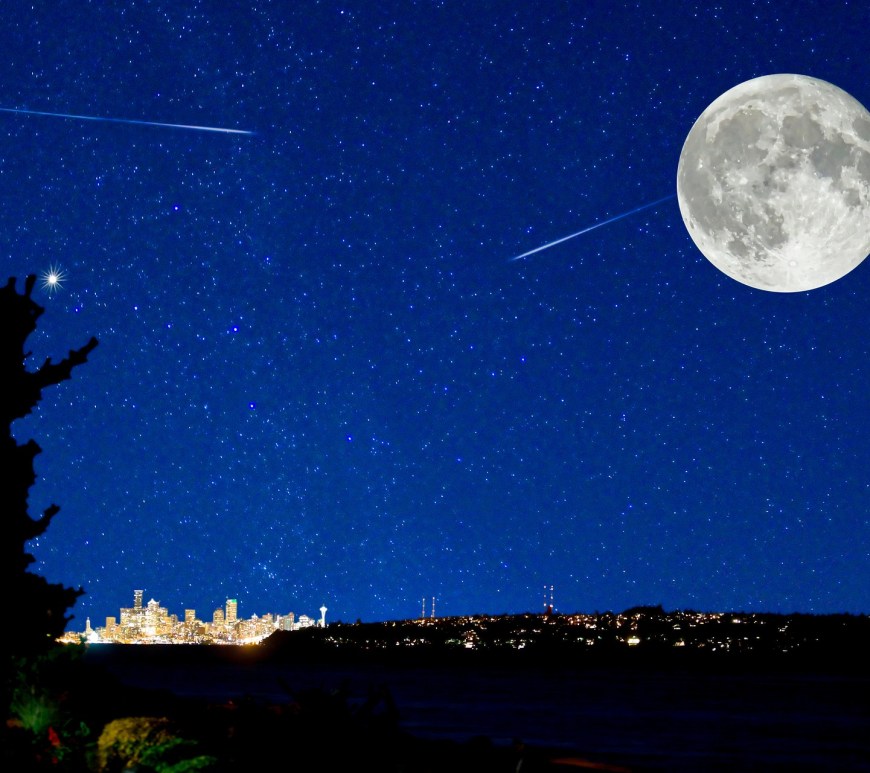
Think about it: the idea that the Sun is essentially the same thing as any star doesn’t make any sense. I mean, just look at them, they could hardly be more different! So how the heck do you go about proving such an outrageous idea? Well, it’s been quite a long journey,  that started from a number of guesses by ancient “scientists”. Granted, some of them turned out relatively correct, … Continue reading A star like any other?

Two cool things about Proxima b

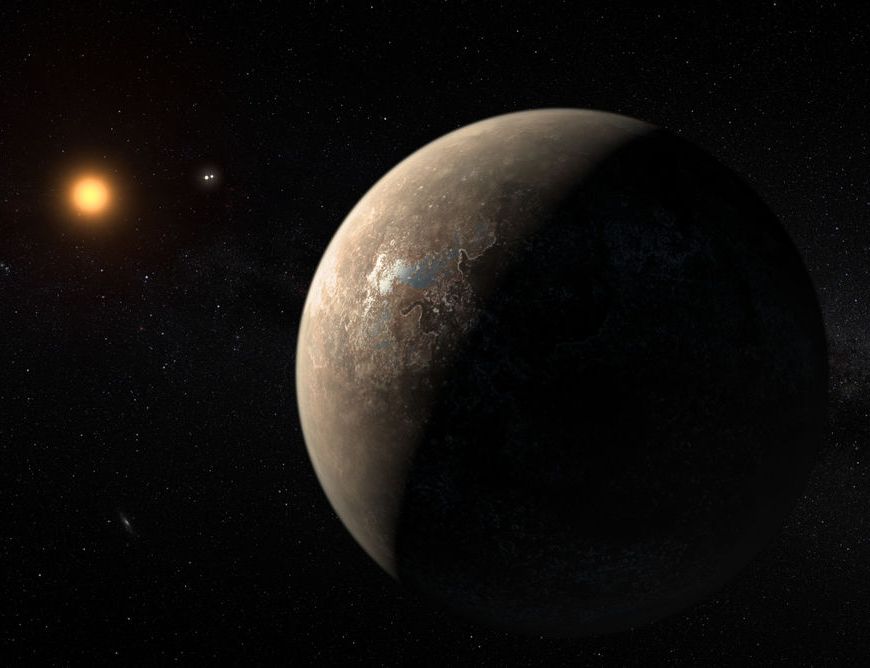
The European Southern Observatory found a new, exciting exoplanets while we were on a break. Called Proxima b, the planet tightly orbits Proxima Centauri, the closest star to us: “just” 4.3 light years away. It was just 25 years ago that we found planets outside our solar system at all. And look at us now, finding one in basically our cosmic backyard! If you haven’t … Continue reading Two cool things about Proxima b

Four fundamental things about gravitational waves

The team at LIGO (the Laser Interferometry Gravitational-wave Observatory) annouced they directly measured the gravitational waves emitted by two black holes merging into one. What are they talking about? Here’s the answer to 4 of the most common questions (plus 2 extra-credit, if you feel up to it). What are gravitational waves? Gravitational waves are ripples in space-time predicted by Einstein’s General Relativity theory. If … Continue reading Four fundamental things about gravitational waves

Mercurial sunset

Nothing’s more naturally predictable than the progression of a day, right? The Sun comes up in the East, rises through the sky, then sets in the West. That’s part of the fascination of places where it isn’t quite so. However, one of the places with the craziest days is rather unaccessible: Mercury. It’s the closest planet to the Sun, so it feels the star’s gravitational … Continue reading Mercurial sunset