

What did Rosetta do for us?
Rosetta left us today. Let’s take a look back at some of its adventures and discoveries. Continue reading What did Rosetta do for us?
Rosetta left us today. Let’s take a look back at some of its adventures and discoveries. Continue reading What did Rosetta do for us?
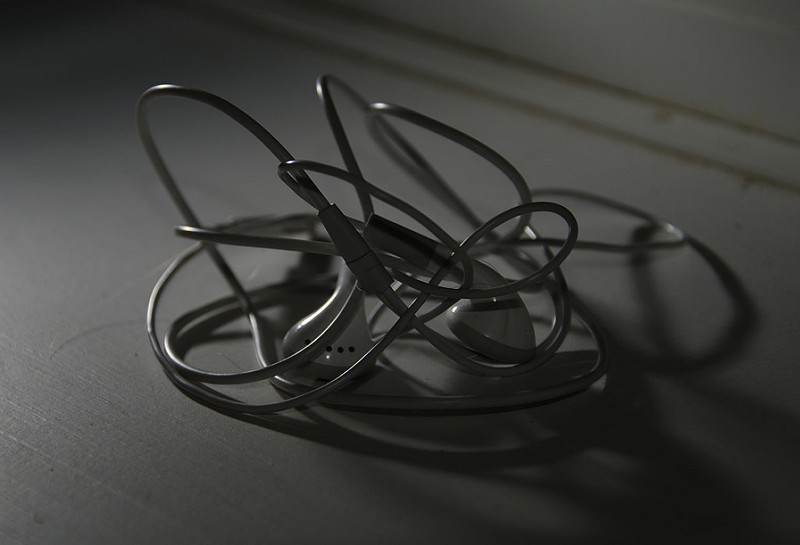
We’ve all been through it: we want to listen to some music, take our earbuds out of our bag only to find—THE HORROR!—an impossibly tangled mess. Can’t anyone assuage this terrible scourge? According to physics… nope, not really. As it turns out, earbuds tangle up because of a simple but deep reason. Namely, there are precious few ways for a chord to register as “tidy”, … Continue reading Earbuds must tangle!
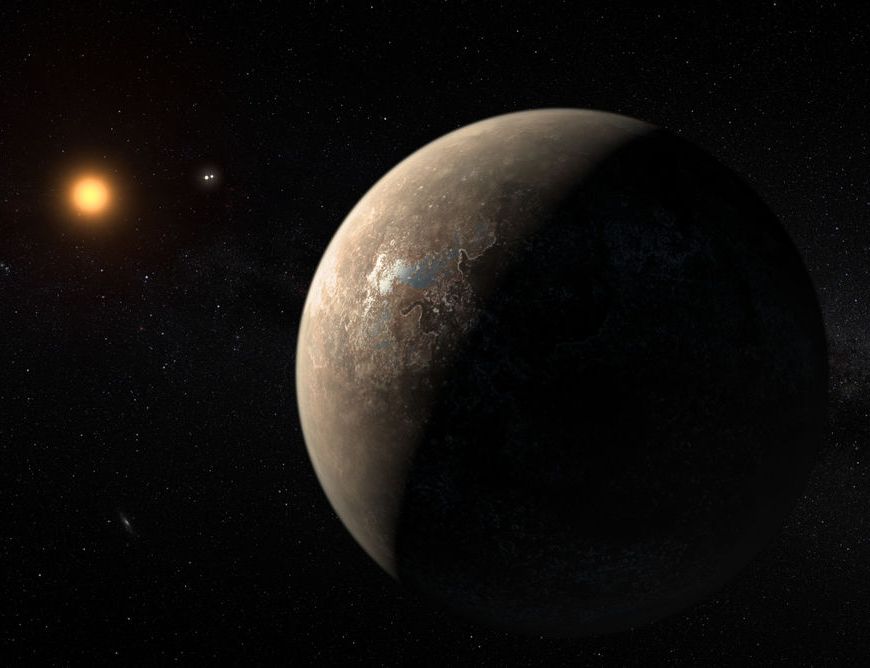
The European Southern Observatory found a new, exciting exoplanets while we were on a break. Called Proxima b, the planet tightly orbits Proxima Centauri, the closest star to us: “just” 4.3 light years away. It was just 25 years ago that we found planets outside our solar system at all. And look at us now, finding one in basically our cosmic backyard! If you haven’t … Continue reading Two cool things about Proxima b
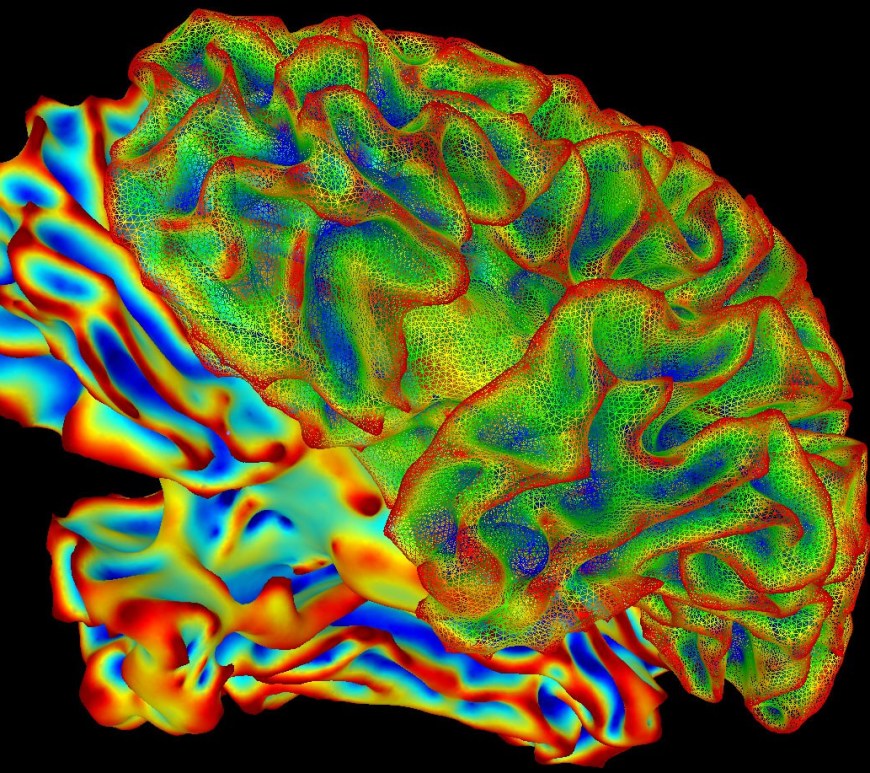
Some parts of the brain “light up” when we feel certain feelings, or listen to music, or tackle math problems. Certainly you’ve stumbled upon such news, given how frequently they end up in mainstream media. The technique used for these studies (and many others in neurosciences) is called functional Magnetic Resonance Imaging (or fMRI), which is an amazing thing, but also seems to have a … Continue reading What the eff is an fMRI?
Nonostante sia molto improbabile che ne avremo in casa, i computer quantistici cambieranno molte cose quando arriveranno. E arriveranno. Vale la pena sapere di cosa si parla. Continue reading Come funziona un computer quantistico
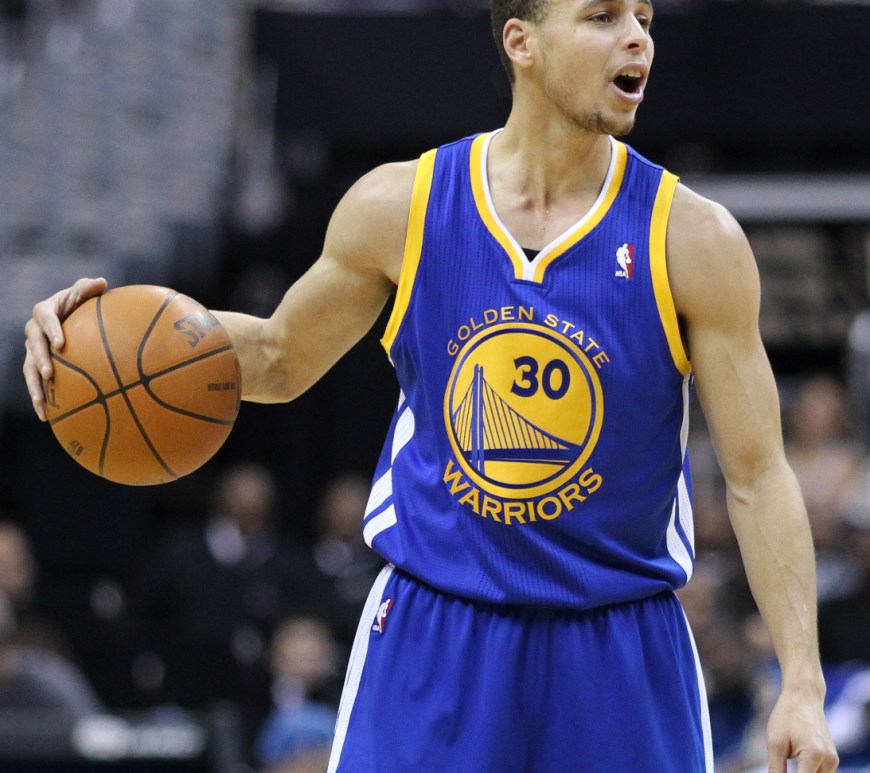
What if I told you that you can simulate an NBA game (say, tonight’s Finals Game 4) just by flipping a coin? If it’s heads, chalk two points for the Cavs, if it’s tails, two points for the Warriors. Repeat a hundred times or so and presto! Game simulated. You can even see the narrative of the game unfolding: the balanced start, the Dubs offense … Continue reading Who will win the NBA finals?
Soap bubbles are mostly water and, how we can see every day, water reflects part of the light that hits it. So, when light arrive on a bubble, some of it bounces right off the surface, like it does off the surface of a lake. The rest enters the thin layer of soapy water that forms the bubble. Light travels peacefully through all of it, … Continue reading Why are soap bubbles colored?
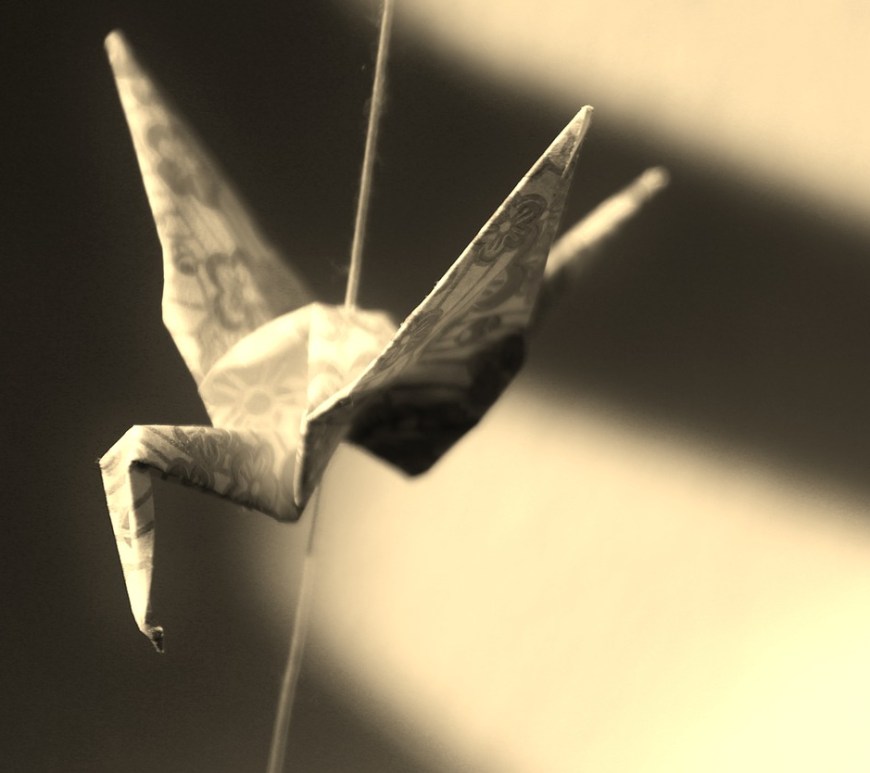
Some time ago I came across a fun article. I got curious, and embarked on a journey that took me to the source of a famous internet myth and even to explore what it means to be a physicist. But let’s not get ahead of ourselves. The article was about the myth that it’s impossible to fold a piece of paper more than 7 times, … Continue reading How many times can you fold a piece of paper?

The team at LIGO (the Laser Interferometry Gravitational-wave Observatory) annouced they directly measured the gravitational waves emitted by two black holes merging into one. What are they talking about? Here’s the answer to 4 of the most common questions (plus 2 extra-credit, if you feel up to it). What are gravitational waves? Gravitational waves are ripples in space-time predicted by Einstein’s General Relativity theory. If … Continue reading Four fundamental things about gravitational waves
Two opponets face off in an ancient strategy game. However, only one of them is a person, and he’s not winning. The historic victory of AlphaGo has made quite the round in the news. Why is it so important? Now for the short review: Go is a Chinese board game. One of its distinguishing features (at least for computer scientists) is the mind-boggling number of … Continue reading Why teach a computer to play Go

 PhysicalLove