

The relativity experiment you hold every day
We’re proving Einstein right all the time. With our phones. Continue reading The relativity experiment you hold every day
We’re proving Einstein right all the time. With our phones. Continue reading The relativity experiment you hold every day
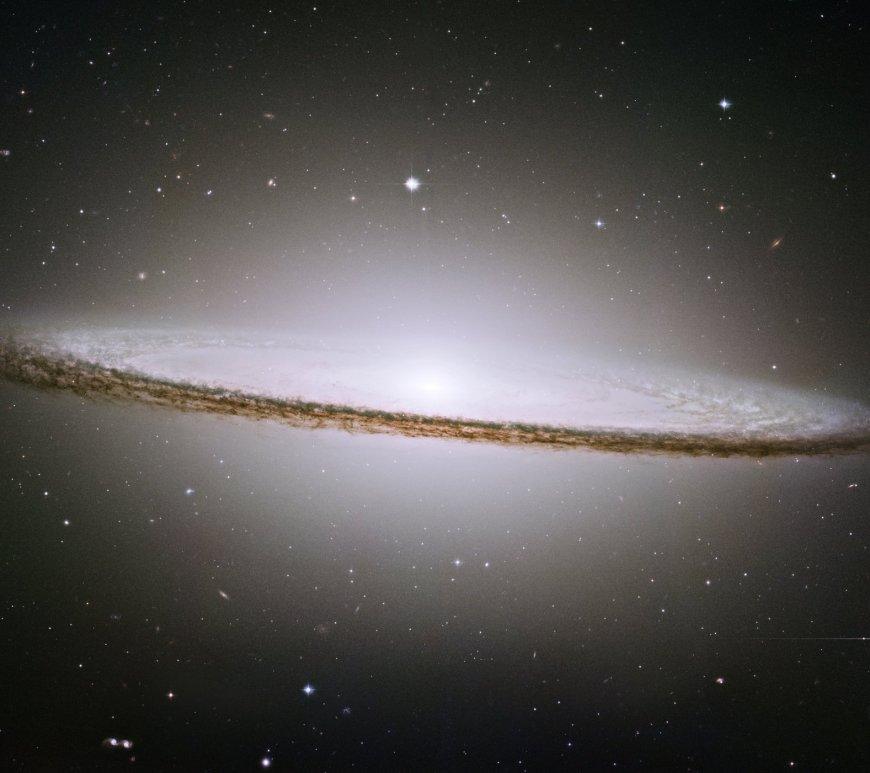
A tale of gravity making things round, but in different ways. Continue reading Why galaxies are flat (and Earth isn’t)

Think about the most quiet place you’ve ever been to. Now imagine something even quieter. What does that sound like? If you can’t figure it out, physics can help: let’s start by looking at how sound works. Loudspeakers, vocal folds and instruments all function by the same principle: rhythmically push and pull on air. The air molecules, in turn, push and pull on their neighbors, … Continue reading The sound of silence
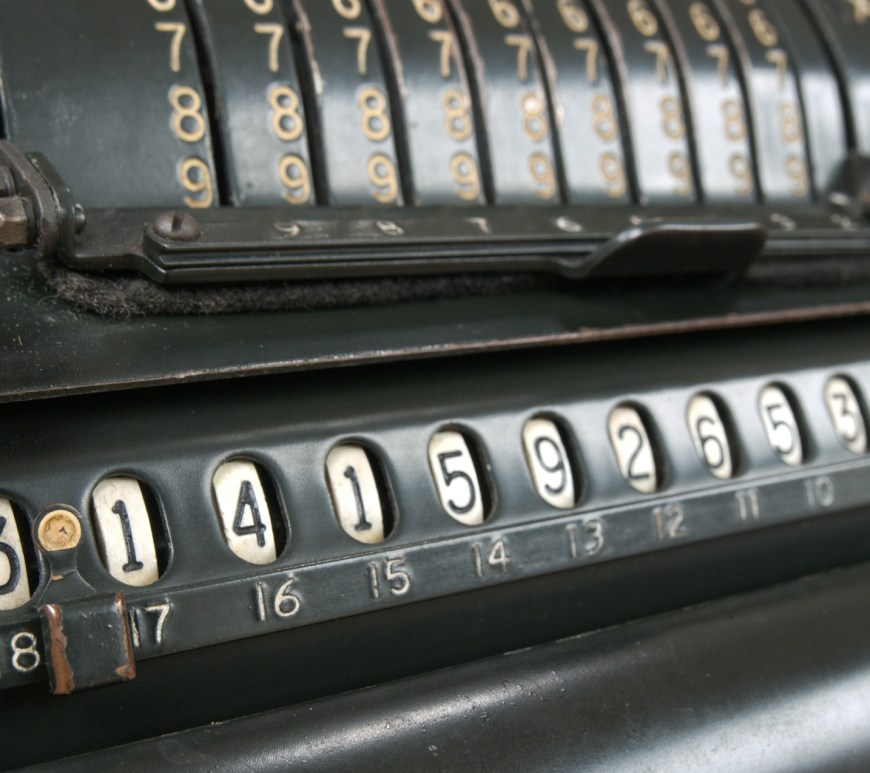
Polls are wrong! Stats mean nothing! Numbers can’t describe people! Maybe. Or maybe we’re doing something wrong in handling them. Continue reading Things numbers do, things numbers don’t

‘Tis election season! What can physics tell us about elections and how we collectively make decisions? Continue reading The attractive physics of voting

Planning a series of actions is easy for us, but not for computers. A new neural network is bridging the gap—and could make you pie. Continue reading The computer that can navigate the subway
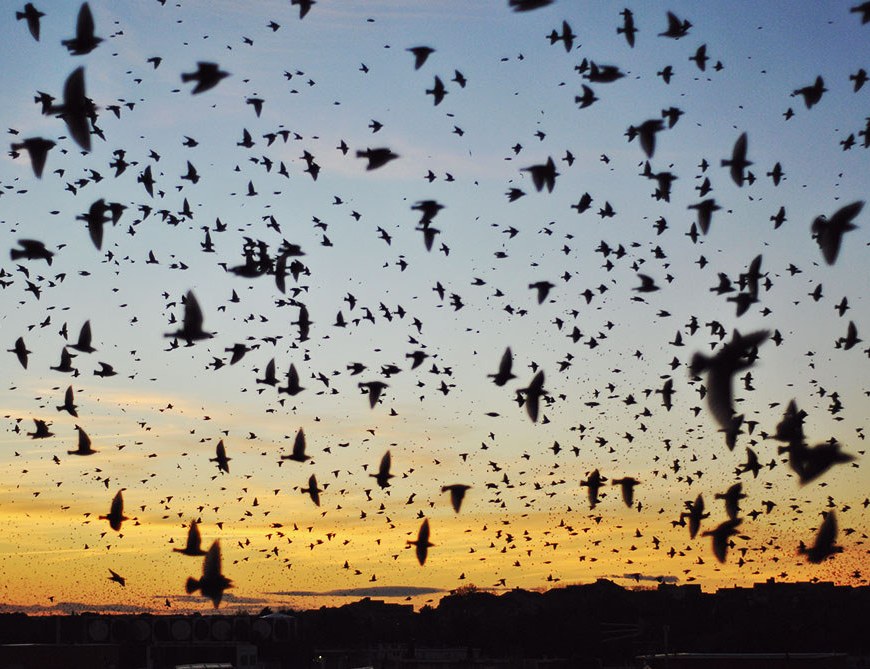
The season is turning: time for geese, swallows, and all others to relocate. With or without coconuts. You thought this would be biology’s turf, but physicists cannot resist a cool problem when they see one! Or two… The V-shape formation Many large migratory birds (geese, apparently cranes and pelicans) fly in a characteristic V-shape formation. That doesn’t look like the most intuitive way to just go around. But … Continue reading Physics and the rules of bird flocks
Think about it: the idea that the Sun is essentially the same thing as any star doesn’t make any sense. I mean, just look at them, they could hardly be more different! So how the heck do you go about proving such an outrageous idea? Well, it’s been quite a long journey, that started from a number of guesses by ancient “scientists”. Granted, some of them turned out relatively correct, … Continue reading A star like any other?
So it wasn’t gravitational waves after all: the Nobel prize for physics went to David Thouless, Duncan Haldane and Michael Kosterlitz. That’s the easy part. The motivation needs a little unpacking: For theoretical discoveries of topological phase transitions and topological phases of matter. We all know and love a few phases of matter: solid, liquid and gas (maybe plasma if you want to get kinky). … Continue reading Theoretical donuts and quantum computers: the Nobel prize 2016

Most predictions for the winners of this years Nobel prize for physics point to the biggest piece of science news we’ve had: gravitational waves. I’ll go out on a limb and say that I’m not convinced they will. Don’t get me wrong: I’m a great fan of team LIGO’s work, too. The discovery of gravitational waves was incredible, but so was the Higgs boson. LIGO … Continue reading What if gravitational waves don’t win the Nobel prize?

 PhysicalLove